Archive for the 'Creative Nonfiction' Category

Autobiographical Fiction vs. Fictional Memoirs

One of the most common questions from my students is, “How do you decide if you should write a memoir or a novel?” The answer may not always be cut and dry, but experience has taught me that most writers know the answer before they actually pose the question and are just looking for some sort of validation. If they do not know before starting out, then they quickly learn during the writing process. For example, if they find themselves making things up and/or have a vivid imagination, then they should consider writing a novel.

A fictional memoir generally focuses on an actual story, time or event in the writer’s life, but also incorporates enough fiction or fictional technique. An autobiographical novel is a type of novel which merges autobiographical and fictional techniques. In this instance, the names and places in the book are typically changed and events are recreated to give the story more of a dramatic arc. In other words, the events in the author’s life may be altered and thus the writer uses his or her “fictional license.”

Although the terms, “Autobiographical Fiction” and “Fictional Memoirs” are relatively new, the genre is not. It has a rich tradition and has been a good alternative for those who have a story to tell and who want to use a genre that is more accommodating than a traditional memoir. Using these genres which openly utilize fiction techniques helps to avoid what some writers call CYS Memoirs or ‘cover your ass memoirs’ where in the preface the author explains his/her creative process and excuse themselves from being blamed for anything mentioned the book.

The elements used in creating a compelling memoir and works of fiction are similar. They both use drama, conflict, dialogue, scene and descriptive detail. Another vital element of the memoir is the importance of identifying special moments. A moment is the basic unit of dramatic structure, sort of analogous to the scene in fiction. In general, a memoir moves forward by the writer exploring all the important moments in their life and this is done through reflections/thought-processes revolving around the book’s theme or focus.

When all the moments are listed on the page, the writer can figure out what in the situation or character has changed from the beginning to the end of the story, sometimes a special truth or revelation might have emerged. The reader gets the essence of the revelation from reading the writer’s reflections.

Focus is critical to memoir and highlighting important moments that move the story forward. This is done by providing all the details of the moment, including the emotions in a given situation. Diving deep into life’s special moments using all the senses allows the reader to become engaged in the story.

An example of a fictional memoir is True at First Light by Ernest Hemingway that was his last unpublished work after his return from Kenya in 1953. In this book he muses on the act of writing and the author’s role in determining the truth. In other words, what is fact and what is fiction. I recently discovered this book and highly recommend it.

Some Other Fictional Memoirs include:

Lying: A Metaphorical Memoir by Lauren Slater
It’s me, Eddie: A Fictional Memoir by Edward Limonov
Grace by Robert Ward
The Professor’s Daughter by R. Igor Gamow
Sylvia by Leonard Michaels
I, Joaquin by Melvin Litton
Deeper Water by Michael W. Boyd
Alzmek: The Fictional Memoir of a Tainted Life by R.M. Guzman
I Mary, Daughter of Israel by Jacqueline Severia Hure
Chain of Fools by Charles B. Sobczak

Happy Birthday America : Thoughts on Freedom and Justice

On this day in 1776 we claimed our independence from Britain. As a result of this event, our democracy was formed and we became the “Land of the free and brave.” Thinking about this turning point in our history gives me much to ponder and journal about.

In fact, today is a good reminder for all of us to give thanks for the independence we have each and every day of our lives. Imagine the freedom to wake up in the morning and be in charge of our own lives. Something many of us take for granted. This idea really resonates with me lately while turning on the television and observing the stations inundated with the Casey Anthony trial. If she lived in any other place in the world, she would not have had the opportunity for either trial or any legal representation. Her voice would not be heard and chances are because of the horrific crime she’s accused of, she would probably no longer be with us.

Listening to the details of this case hit me hard for numerous reasons. First of all, we lived in Orlando for 15 years and my three children, Rachel, Regine and Josh were raised there. Outside of the opening of Disney World in the 1971 and the Tiger Woods saga some years ago, this is the only time I remember Orlando being in the news for such an extended period of time. Secondly, as a mother myself, I am nauseated at Anthony’s crime and how a mother could do such a thing to her child. It has always astounded me how difficult it is to get married but so easy to become a mother – no credentials necessary. In my opinion, it should be the other way around, but who am I to say. As a woman who experienced infertility and was on bed rest with all three of my kids, I can only say that I appreciate them all that much more.

Casey Anthony has sacrificed so much and hurt so many people and for what? Because the stress of motherhood overwhelmed her and she was unable to continue with her partying lifestyle? This makes no sense to me.

Giving her as much air time as we have is another issue, as Americans are obsessed with sensationalism. I am not claiming to be different, but it’s really gone overboard. There is no doubt that the Casey Anthony is simply not well. Seeing her face on television day after day reminded me of a book I read some years ago, called The Sociopath Next Door by Martha Stout. This is a fabulous and eye-opening book and for all those who are into sensationalism, a great read. In terms of chararacteristics, here’s what she identifies as the characteristics of a sociopath:

charming
sometimes hypochondriac
often looking for schemes
bored
risk-seeking
liars and thieves
flatters
controlling
hate and avoid responsibility

At a glance it might seem that many of these characteristics fit Casey Anthony’s personality, but the last characteristic is the most poignant.

In honor of Independence Day and our democracy, I cannot help but believe that justice will be served and at the risk of using a cliché, “what goes around comes around.”

NOTE TO READERS: I will be taking a two-week hiatus. Be happy and be well!

In Memory

I just joined this site called, “FlexWriters Creative Network,” and I could not resist cutting and pasting a poem they had posted in honor of today, Memorial Day. We should remember that this is not a day to celebrate, but a day to honor and remember those who have lost their lives while in the military service. Thank you for all you have done to protect our freedom.

http://www.flexwriterscreativenetwork.net/magazine.html

WE REMEMBER

by Dori Wheeler

Today is the day we remember those
Who went to war and fought our foes
They’ve gone away to fight our wars
Lived and died so our flag still soars
Some treated pourly when they came back
When some wouldn’t fight, they picked up the slack
My hats off to our sons and daughters
Who’ve had to live in deplorable quarters
Men and women who have gone off to fight
To save our country from a terrible plight
Today is the day we remember those
Even though this war really blows
They protect our country, home of the brave
Sadly, some had to come home to a grave
Men and women who have gone off to fight
Eternal candles that will forever light
They deserve so much more then a parade
After going to war and being afraid
Today is the day we remember those
Who fought against the ones we really appose
Stars and stripes forever wave
Freedom is what we are trying to save
I don’t really believe in this war
But I believe in our troops forever more
I know our country is very strong
But in this war, we don’t belong
Today is the day we remember those.

Journaling About and Coping With Toxic People

You can either give negativity power over your life or you can choose happiness instead.” Anais Nin

The week of the full moon always brings out interesting stories in my journal. On the morning of the full moon, I began writing about how to cope with toxic people. This is a term I started to use years ago, about the time I turned 45, at time when I decided that life is too short to surround myself with those who bring me down instead of building me up.

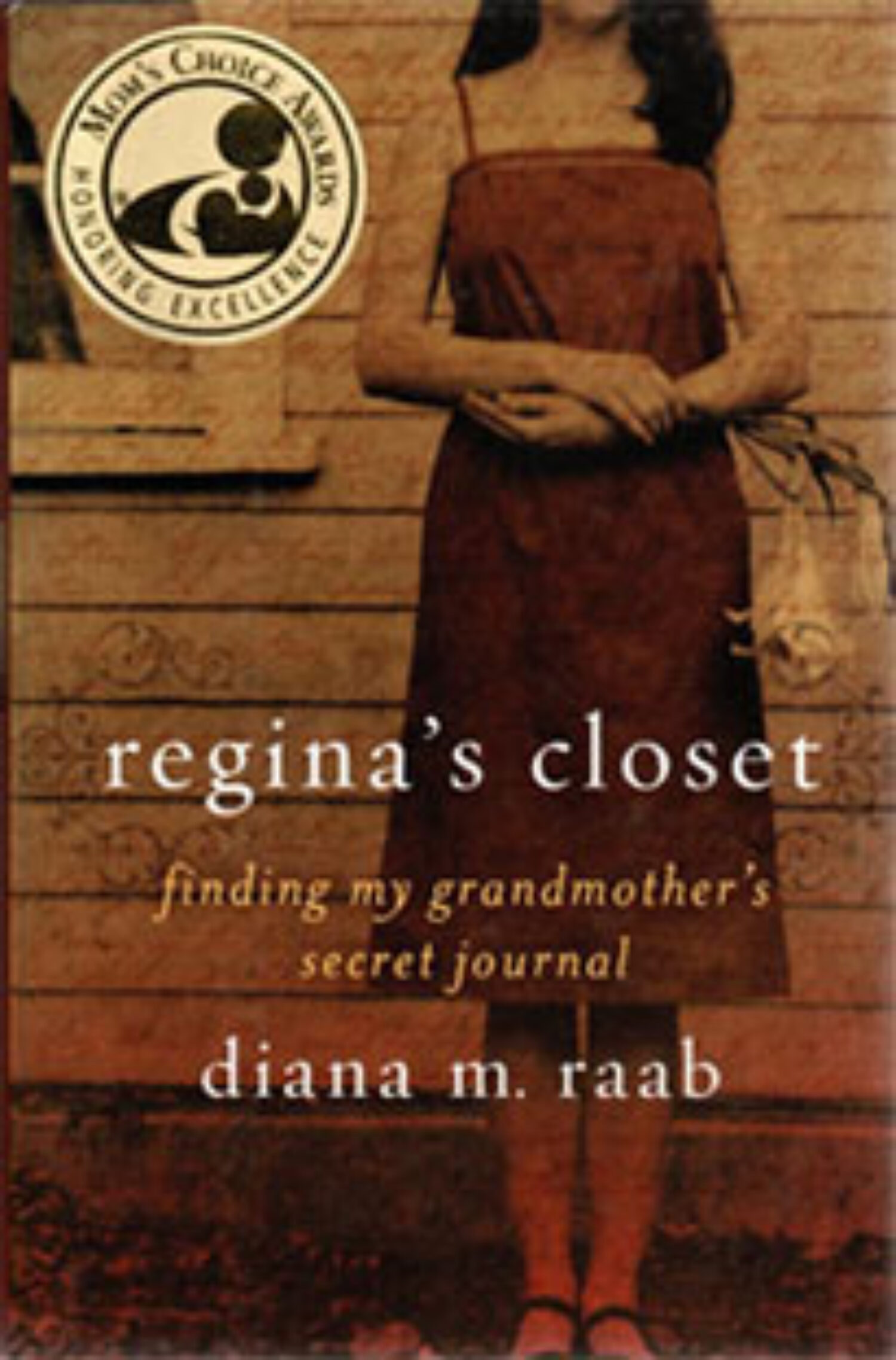
For those of you who have read my first memoir, Regina’s Closet: Finding My Grandmother’s Secret Journal, you know that even though my mother was the one responsible for giving me my first journal and who I will forever be indebted, to also put an indelible mark on my life. She was often prone to depression but her refusal to take medication resulted in her  becoming toxic to those around her. Unfortunately, I was one of the victims. Over the years I have learned to accept her and cope by putting a box around myself while in her presence, but there were times when her ways really hurt me.

So how does this affect you, my reader? Over the course of our lives, we meet hundreds or perhaps thousands of people. There are those who we connect with right away and others with whom we don’t. Sometimes there is chemistry and sometimes not. Some people are easy to be around, others you wouldn’t want to touch with a ten foot pole. We all know the feeling, but sometimes we tend to ignore what we are feeling down deep. Ignoring this feeling can get us into trouble or bring on unhappiness.

Those who negatively impact our lives are called, “toxic people.” I don’t remember where I first heard this term, but I understood it right away. They can be seen anywhere—in our local store, on airplanes, in foreign countries or even in our own family, but one thing is for sure – they are easy to spot. In general terms, they are unhappy, dislike their own lives and carry around a great deal of anger, resentment and bitterness. They seem to complain all the time and might even make you feel that it is your fault that things are not going well. Often, they seem happier after making you unhappy. You feel these traits when you are near them and if you are with them long enough, they could rub off on you.

Those with major depressive disease and/or bipolar disorder are more susceptible to toxic people because they are more easily triggered. I learned this in nursing school during my psychiatry rotation when I asked my mentor how I can tell if someone is depressed. She told me, other than listening to what they say, you can just feel it in their energy.  “When you are with them, you just feel down,” she told me. I have carried this nugget of wisdom with me for the rest of my life and it has served me well.

The other thing about toxic people, which my mother taught me through her actions, is that they often fling insults and hurt towards others. They can be condescending without even realizing it. Being with toxic people can really negatively affect your mental well-being, because they have the innate ability to ‘suck the joy out of life.’

One important thing to remember is that you cannot change someone else’s behavior, but you can adjust your own. Here are some possible ways to cope with a toxic person:

1)    Voice your concerns

2)    Avoid or minimize contact

3)    Try to bring joy into their lives

In summary, you can try to help toxic people, but if they don’t want to help themselves, it will be a losing battle and the best solution will be to just stay away. It will be good for your health.

I have done this quite knowingly with a few select people in my life and have never felt better!

TO MY DEVOTED READERS: There will be a blog, hiatus but I will be back on September 20th. In the meantime, be happy!